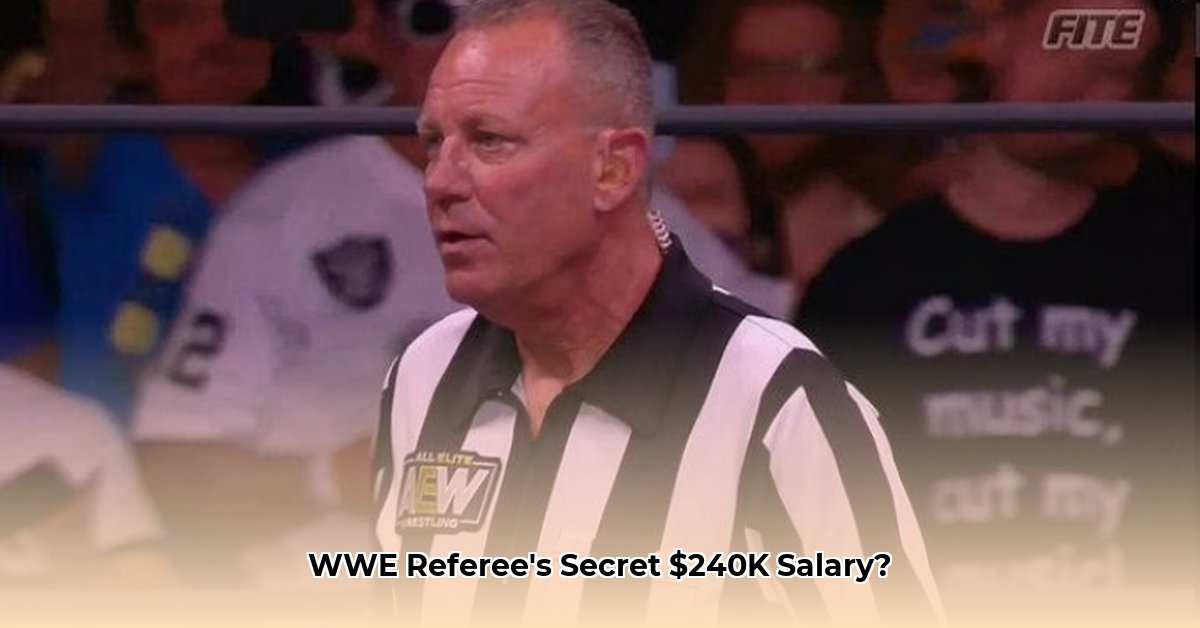
Mike Chioda's career exemplifies both the lucrative potential and inherent instability within professional wrestling refereeing. His reported $240,000 annual salary during his tenure with WWE highlights the financial rewards, yet his unexpected release at age 54, while recovering from surgery, underscores the significant risks faced by even highly successful referees. This article examines Chioda's career trajectory, analyzes the circumstances of his departure, and explores the broader implications for the industry.
Mike Chioda's Career Trajectory: Two Decades in the Ring
Mike Chioda's two-decade career with WWE cemented his status as a highly respected referee. His contributions extended beyond simply officiating matches; he became a recognizable figure, integral to countless memorable moments. The reported $240,000 annual salary at his peak showcases the earning potential for experienced referees. However, this impressive figure masks a critical reality: the lack of long-term job security in the industry. His lengthy tenure shouldn't be solely viewed as a testament to his prowess but also as a stark case study for broader industry reform.
The Unexpected Release: A Case Study in Industry Volatility
Chioda's release from WWE at age 54, while recovering from surgery, was a significant turning point. This unexpected departure highlights systemic vulnerabilities within professional wrestling: the lack of comprehensive support systems for veteran referees facing age-related challenges or unexpected job losses. It raises concerns about adequate transition planning and support, leaving many questions about the adequacy of the severance package and post-employment support provided by the WWE. This case study underscores the need for better industry practices. Was there a lack of foresight, or a systemic issue at play?
Broader Implications: Systemic Risks in Professional Wrestling Refereeing
Chioda's experience is not unique. Many veteran referees face similar challenges, including job insecurity, age-related physical decline, and a lack of post-career support. The physically demanding nature of the work, combined with inconsistent contracts, creates significant risks. The industry’s reliance on independent contractors instead of full-time employees exacerbates these issues.
Addressing the Challenges: A Three-Pronged Approach
Addressing these systemic risks requires a collaborative effort:
Improved Contract Negotiations: Referees need to prioritize negotiating stronger contracts with robust provisions for job security, healthcare benefits, and reasonable severance packages. This should include comprehensive retirement and healthcare provisions. Proactive contract negotiation is key.
Industry-Wide Support Programs: WWE and other wrestling organizations should implement comprehensive support programs for veteran referees, including career counseling, financial planning assistance, and job placement services. This focus on long-term support is crucial.
Skills Diversification and Professional Development: Referees should proactively develop transferable skills applicable beyond professional wrestling, such as coaching, fitness training, or broadcasting, to mitigate financial risks associated with career changes. These transferable skills can provide better long-term career security.
Assessing the Risks: A Risk Assessment Matrix
The following matrix summarizes the key risks faced by professional wrestling referees and potential mitigation strategies:
| Risk Factor | Likelihood | Impact | Mitigation Strategies |
|---|---|---|---|
| Injury | High | High | Improved safety protocols, proactive injury prevention programs, access to quality medical care. |
| Job Insecurity | High | High | Stronger contracts, skills diversification, networking within and outside the wrestling industry. |
| Age-related Physical Decline | Medium to High | Medium to High | Regular fitness and wellness programs, gradual transition out of active refereeing. |
| Lack of Post-Career Support | Medium | High | Industry-funded transition programs, career counseling, and networking opportunities. |
Conclusion: A Call for Industry Reform
Mike Chioda's story, while showcasing the potential financial success within professional wrestling refereeing, also serves as a powerful case study illustrating the inherent instability and risks. The industry must address these systemic issues through stronger contracts, comprehensive support programs, and a greater emphasis on career transition planning. This collective action is essential to ensure the well-being and long-term security of the men and women who dedicate their careers to this demanding profession. The future of refereeing depends on these reforms.